


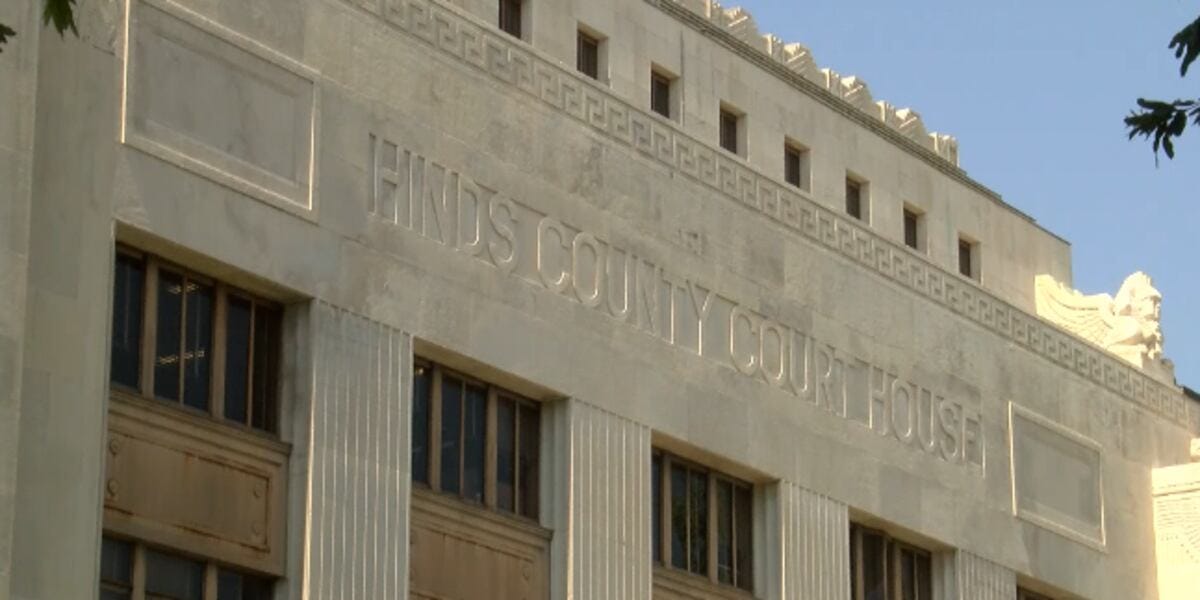
A coalition of faith leaders, fiscal conservatives, civil rights advocates, defense attorneys and community members is pushing the Hinds County Board of Supervisors to address what they describe as a constitutional crisis in the county’s public defense system.
The Defend Mississippi coalition, which is cross-ideological by design, is backing a request from Hinds County’s chief public defender Gail Wright Lowery for a budget adjustment to stabilize her office, which carries a load of approximately 4,000 cases and has struggled for years with chronic attorney attrition driven by pay that falls far below what prosecutors in the same courthouse earn.
Defend Mississippi plans to detail its case at a news conference on Feb. 25, 2026, at 8:15 a.m. at the Hinds County Chancery Clerk Building, 316 South President Street in Jackson. The event is in advance of the next board of supervisors meeting in March, when public defenders funding is expected to be considered. The board voted 3-2 not to increase salaries in the public defender’s office in 2023. Defend Mississippi was formed by Zealous, a national organization that partners with local communities to strengthen public defense systems. C.J. Lawrence is its Mississippi organizer.
The coalition’s stated mission is to ensure fairness, fiscal responsibility, freedom and dignity for judicial defendants. The group frames public defense as a nonpartisan issue rooted in constitutional obligation and local responsibility. It takes the position that when counties adequately fund public defense, it protects local control and reduces the likelihood of outside intervention—which has already happened in Hinds County in other forms.
The pay disparity at the center of the coalition’s argument is stark. Under state statute, the Hinds County district attorney’s salary is set at approximately $125,900 per year, and assistant district attorneys earn between 80 and 90 percent of that figure, placing a new prosecutor with fewer than five years of experience above $100,000 annually. An assistant public defender in the same courthouse starts at approximately $55,000. The state funds positions in district attorney’s offices directly, while counties are responsible for funding public defender offices out of their own budgets. That structural imbalance has produced a revolving door of attorneys in the Hinds County Public Defender’s office, with staff attorneys regularly leaving for higher-paying positions in the DA’s office or out of state.
The downstream effects of that attrition are visible at the Raymond Detention Center, where residents accused of crimes frequently wait months without access to counsel, unable to move their cases forward and unable to return to their families, jobs or communities. The detention center has been the subject of years of federal litigation over unconstitutional conditions, and in 2024, the U.S. Fifth Circuit Court of Appeals upheld a lower court’s appointment of a federal receiver after finding that Hinds County had repeatedly failed to comply with a consent decree.
Overcrowding at the facility is compounded by the inability of an underfunded defense system to process cases in a timely manner, creating a cycle in which the costs of pretrial incarceration grow while the resources available to resolve cases shrink.
The root cause of the problem dates back more than 60 years. When the U.S. Supreme Court ruled in Gideon v. Wainwright in 1963 that every state must provide counsel to criminal defendants who cannot afford their own, states across the country began building public defender systems to meet that mandate. Mississippi took a different path. Under the Mississippi Code of 1972, indigent defense after Gideon was handled through a patchwork of court-appointed counsel. Although a 1979 state statute allowed counties to establish public defender offices, few ever did. Today, only eight of the state’s 82 counties maintain public defender offices. Mississippi is one of only a handful of states that contribute no state funding to non-capital, trial-level indigent defense, delegating nearly all responsibility to counties and municipalities.
Outside the small number of counties with public defender offices, the system is deeply fragmented. According to testimony before the Mississippi House Judiciary B Committee in 2023, 63 of Mississippi’s 82 counties compensate private attorneys through flat fees to handle indigent defense on a part-time basis, regardless of caseload. In some counties, private attorneys handling indigent defense are capped at $1,000 per case. A landmark 2018 report by the Sixth Amendment Center, commissioned by the Mississippi Public Defender Task Force, found that the state had no mechanism to determine whether its indigent defense services met constitutional standards. The report documented what practitioners have called the “dead zone” between arrest and indictment, during which felony defendants routinely went months without any attorney working on their behalf. The MacArthur Justice Center at the University of Mississippi School of Law has estimated that approximately 85 percent of criminal defendants in the state cannot afford private counsel.
Efforts to reform the system have moved in fits and starts. In 1998, the legislature passed a bill to create a statewide defender system for felonies and appeals, but the measure was never funded and was repealed in 2002. The Office of State Public Defender, created by the legislature in 2011, consolidated several existing state-level entities and gave the state defender a mandate to develop plans for a statewide system, though without the funding or authority to implement one.
In 2024, Senate Bill 2260, which would have authorized the state public defender to issue performance standards for local public defense systems, passed the state Senate with a bipartisan 44–5 vote but was blocked by a parliamentary procedure and never received a final vote. A separate proposal that year to boost pay for the lowest-paid lawyers handling indigent defense also failed.
The most significant development came in 2025, when lawmakers approved nearly $700,000 during a special budget session for a pilot program to fund public defense in the seven counties of the 5th Circuit Court District in north-central Mississippi, the first time state money had been directed toward non-death-penalty indigent defense in local trial courts outside Hinds County. The pilot office, located in Kosciusko and supported by SMU’s Deason Criminal Justice Reform Center, officially opened in February 2026 after beginning to take cases in October 2025. In its first three months, the office represented 44 clients facing more than 50 felony charges and successfully advocated pretrial release for 20 people charged with non-violent felonies. The Mississippi Supreme Court has also moved to require circuit courts across the state to submit public defense plans, an effort to increase transparency and accountability in a system that has long operated without state oversight.
Whether those measures represent the beginning of meaningful reform or another round of incremental steps remains an open question as the 2026 legislative session continues in Jackson. The pilot program carries only one year of funding for a single circuit court district, and no standalone public defender reform legislation has advanced in the current session.
In Hinds County, as the pay gap between prosecutors and defenders persists, the detention center remains under federal receivership and the public defender’s office continues to manage a caseload of thousands with a staff that the available salary structure struggles to retain.
Image: Hinds County Courthouse, Jackson (via WLBT News)
