

Mississippi doesn’t just have a voter engagement problem. We have a voter turnout problem. And we have a voter understanding problem.
Too many people do not actually know what the different levels of government do, what elected officials are responsible for, or where accountability should truly be placed. Much of that confusion is being fueled by the very people we elect.
Let’s be clear about something. Your state legislator’s job is to make laws, pass budgets and shape policy. Those are their primary responsibilities. To those I would add the responsibility to advocate for the people within their district and push ideas further if the entire state could benefit. I would also add assisting municipal leaders with questions like: What is the plan? How are we sparking investment? What partnerships are we building? And how will we measure progress?
Your state legislators are not news anchors reporting on a minor bridge opening. They are not engineers. They are not public works supervisors. They are not drainage experts. They do not have some elite-level relationship with utility companies where they receive alerts first.
Yet somewhere along the way, politics became performative. Most communities, including mine, are distressed, and distressed communities are emotional communities. So, now, we see elected officials taking pictures at drainage sites, pointing at debris and pretending to diagnose problems they are not trained to fix. We see social media posts that give the impression that they personally repaired a road, cleared a ditch or restored a power line. And voters believe it.
That is the issue.
Because when people do not understand roles, they do not know who to hold accountable. They celebrate the wrong actions, criticize the wrong people and ultimately vote based on perception instead of actual outcomes. Meanwhile, the real work of governing happens quietly in places most voters never see: committee rooms, budget negotiation tables, spaces devoted to internal policy debates. That is where laws are shaped, where funding is decided, and where communities are either prioritized or ignored.
During the recent legislative session, school choice was a major issue. Our leaders, particularly those who look like me, sat in committee rooms and did not make much noise about the school choice. Opponents did little beyond expressing their lack of support. That was not enough. We needed them to boldly explain why they opposed it so its flaws would be clear in future legislative sessions.
The Mississippi Legislature exists to create laws and fund government operations, which means that decisions about schools, healthcare, infrastructure funding and economic development all flow through those chambers. This past legislative session was dismal, and I did not see one legislator be honest and tell people the truth. Instead, their favorite line is that they are with the people. But if your elected official is more focused on posing for photos than shaping policy, your community is already behind.
Here is the hard truth. Performative politics thrives when voters do not understand the system. Many people who want to be elected are comfortable with that. It rewards optics over outcomes. It enables leaders to appear active without actually being effective. This is not about criticizing individuals. It is about correcting a culture.
Who am I to offer this guidance? I am simply a 33-year-old who ran for state office and lost. I am not bitter about that. I did not catch the political bug and begin planning the next 10 years of my life in politics. I do not have to run again. In fact, I ran knowing that it was a distraction from my ultimate plans and could even derail them, but I was asked, so I obliged. I met phenomenal people whom I would not otherwise have encountered, and some have become life friends.
And I learned that one thing we truly need is voters who understand the difference between city, county, state and federal responsibilities. We need people who know that a county supervisor handles roads, a legislator handles laws and funding, and a mayor manages city operations. Because when voters understand, they demand more. Then they gain real power. They ask better questions. They expect real results. They stop clapping for performance and start voting for leaders who take meaningful action.
Mississippi does not lack talent. We do not lack leadership potential. What we lack is clarity. And until we fix that, we will keep electing people who do not actually get the job done.
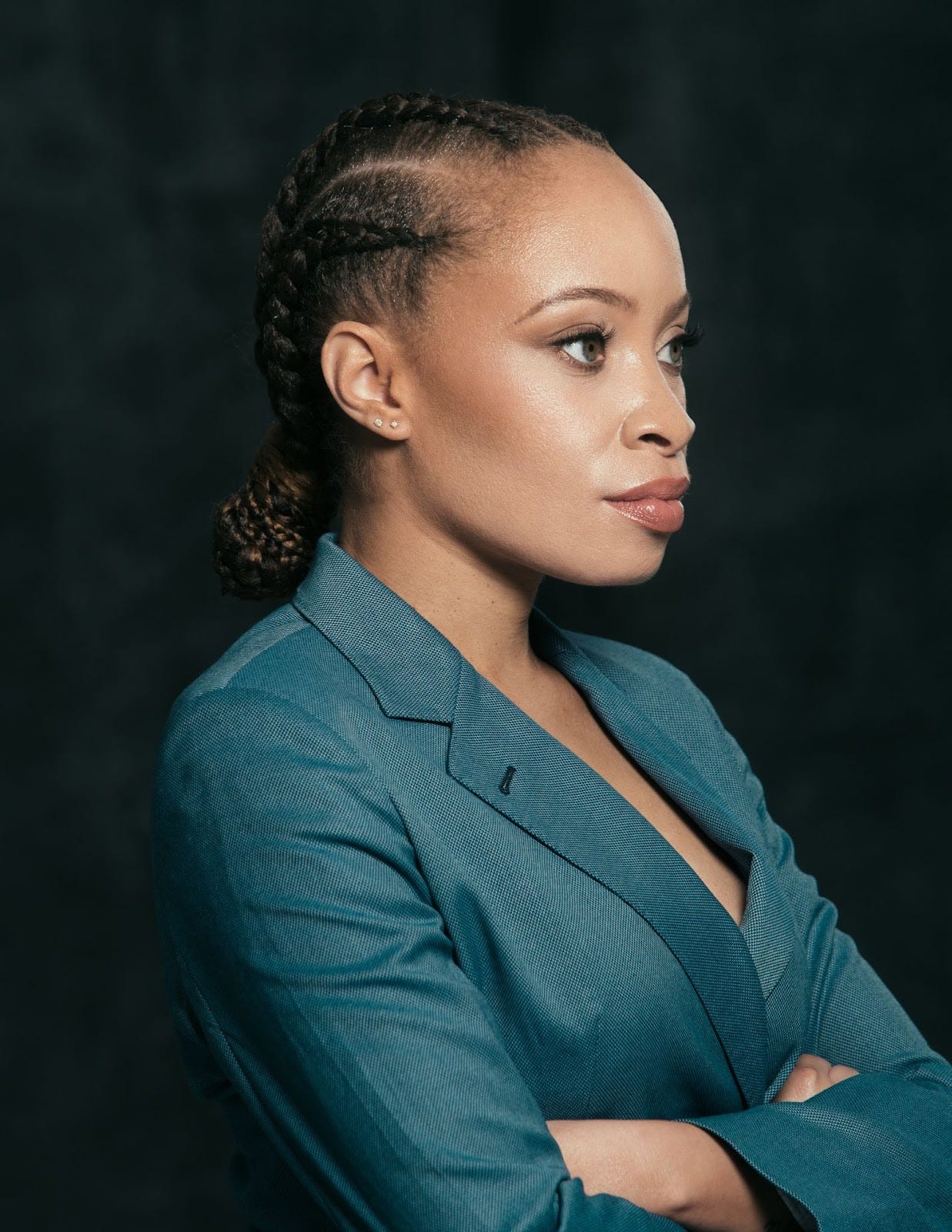
Image: Dyamone White (courtesy Dyamone White)
What a crying shame you were not elected, I do hope you try again. Your appraisal here is something I grumble about both in MS and home, the UK. Too many credit the entirely incorrect set of people with success and slander people for errors they had no control over. Understanding how government works needs to begin in school. Some of the elected folk rely on ignorance for their votes....time that changed.
MS for a Just World has been doing a wonderful job of informing the populace about how local government operates. Also, books are free and the MS Constitution and City ordinances are freely accessible online. I'm inquisitive, so I seek after this kind of information; I'm unsure what prevents others from doing the same, possibly low educational attainment or disinterest in systems of power that they feel helpless to change.