


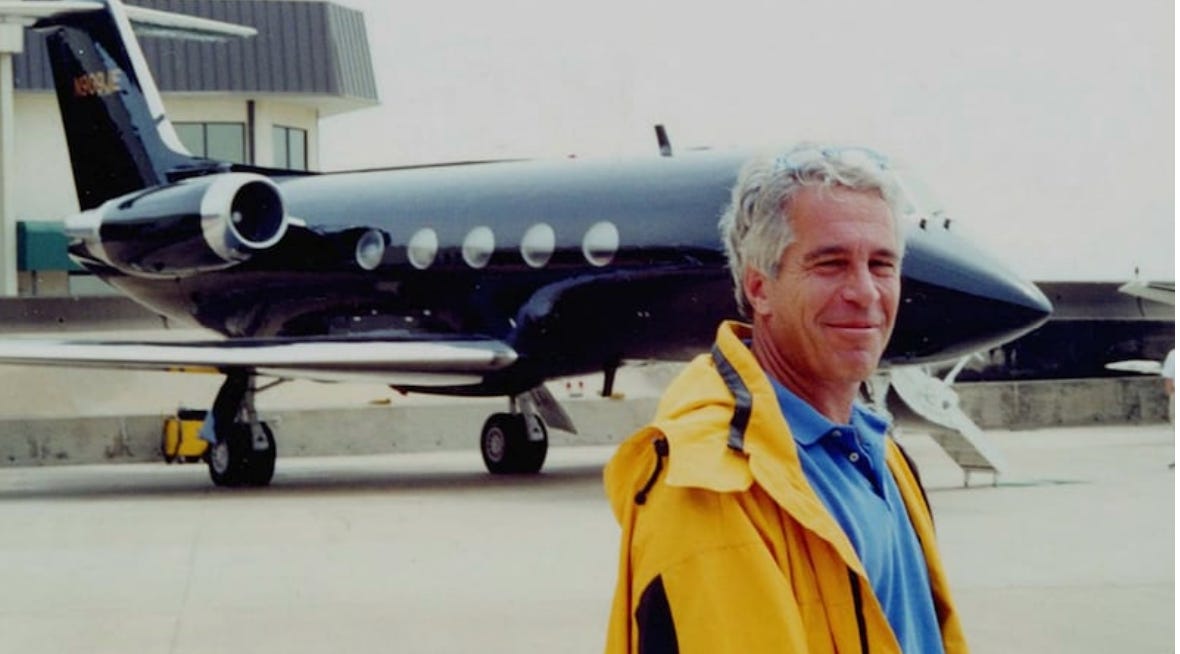
Among the intriguing, unexpected revelations in the long-awaited Epstein files are that the notorious child trafficker and pedophile had a deep interest in Mississippi.
Most media focus has been on victims in urban areas, overseas and in Florida, but the 600 or so pages of documents returned through a search of “Mississippi” reveal that Jeffrey Epstein had relationships with families with daughters in America’s most impoverished state, paying for airfare to and from the Caribbean, home of his infamous island, making loans to cash-starved parents, and covering tuition at boarding schools and colleges.
Whether Epstein and his associates did this for the purpose of sexual exploitation or as part of a charitable mission—or as gifts to employees—is not clear in the emails and other documents included in the tranche released by the U.S. Department of Justice, but his sexual predation and charitable activity were frequently entwined.
Emails indicate that Jeffrey Epstein and his associates actively sought to identify disadvantaged students in Mississippi, some of whom were shuttled to and from Epstein’s Caribbean island and received financial assistance to attend the Piney Woods School, a boarding school for African-American students south of Jackson, and at Millsaps College and Mississippi College.
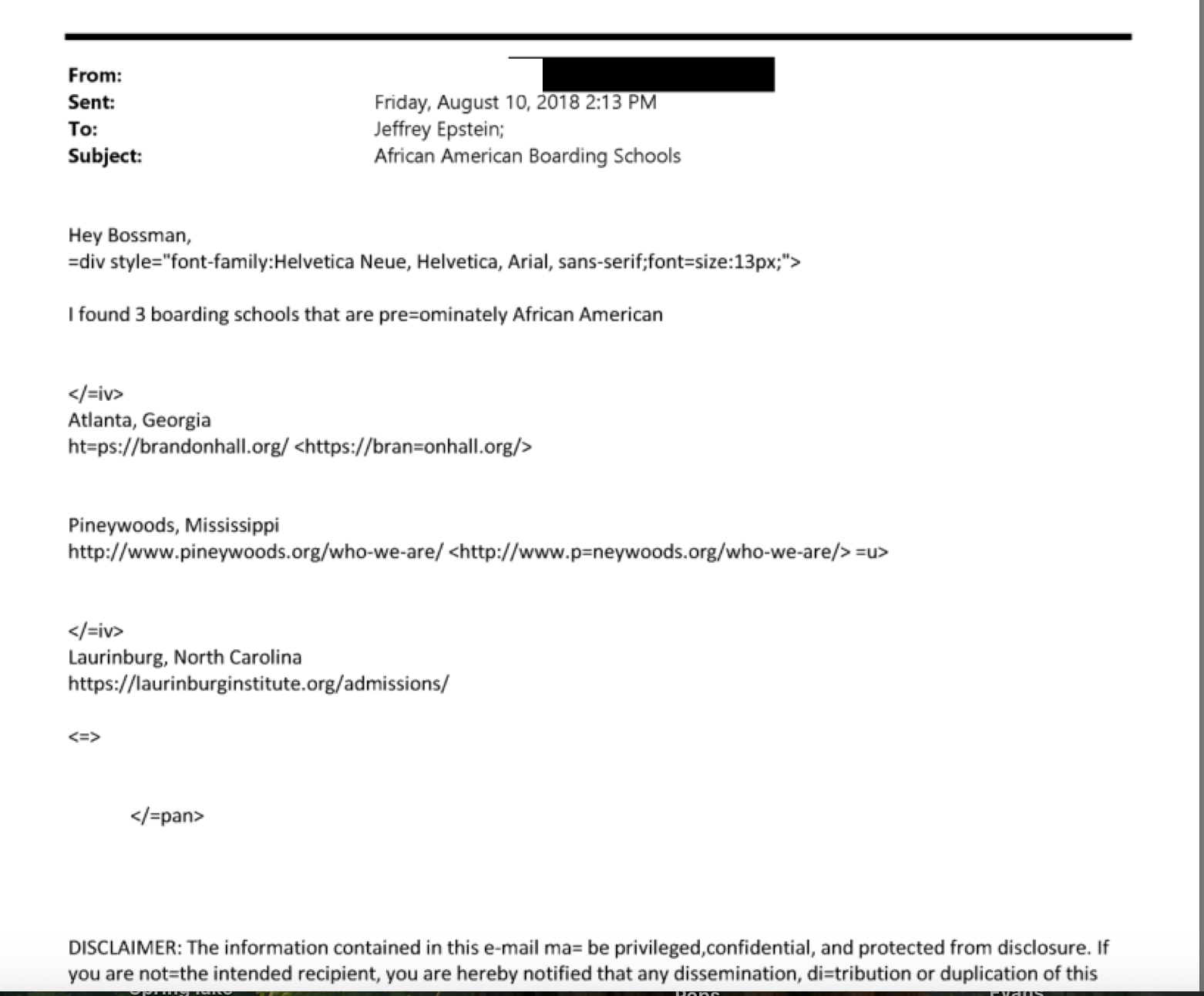
None of the schools nor their officials have been implicated in any of Epstein’s crimes. A spokeswoman for Mississippi College said the school received one tuition payment of $10,000 in 2013 for a student who was the daughter of one of Epstein’s employees.
“Our review of MC’s records indicates that MC had no other payments or contact with Epstein. Mississippi College unequivocally condemns all actions associated with Jeffrey Epstein, as these acts are incompatible with the mission and values of the University,” said Jenny Tate, a college spokeswoman.
A Millsaps spokesperson said the school has no additional information to what is already in the public domain. A request for comment to Piney Woods was not returned today.
DOJ did not redact the names of the students or many others cited in the files, but we have done so when cited girls were juveniles at the time. The emails and related documents do not indicate wrongdoing but raise questions given Epstein’s well-known history of recruiting underage, often economically disadvantaged girls for sexual exploitation.
To date, the Mississippi connections have not been reported, though some details are making the rounds in social media.
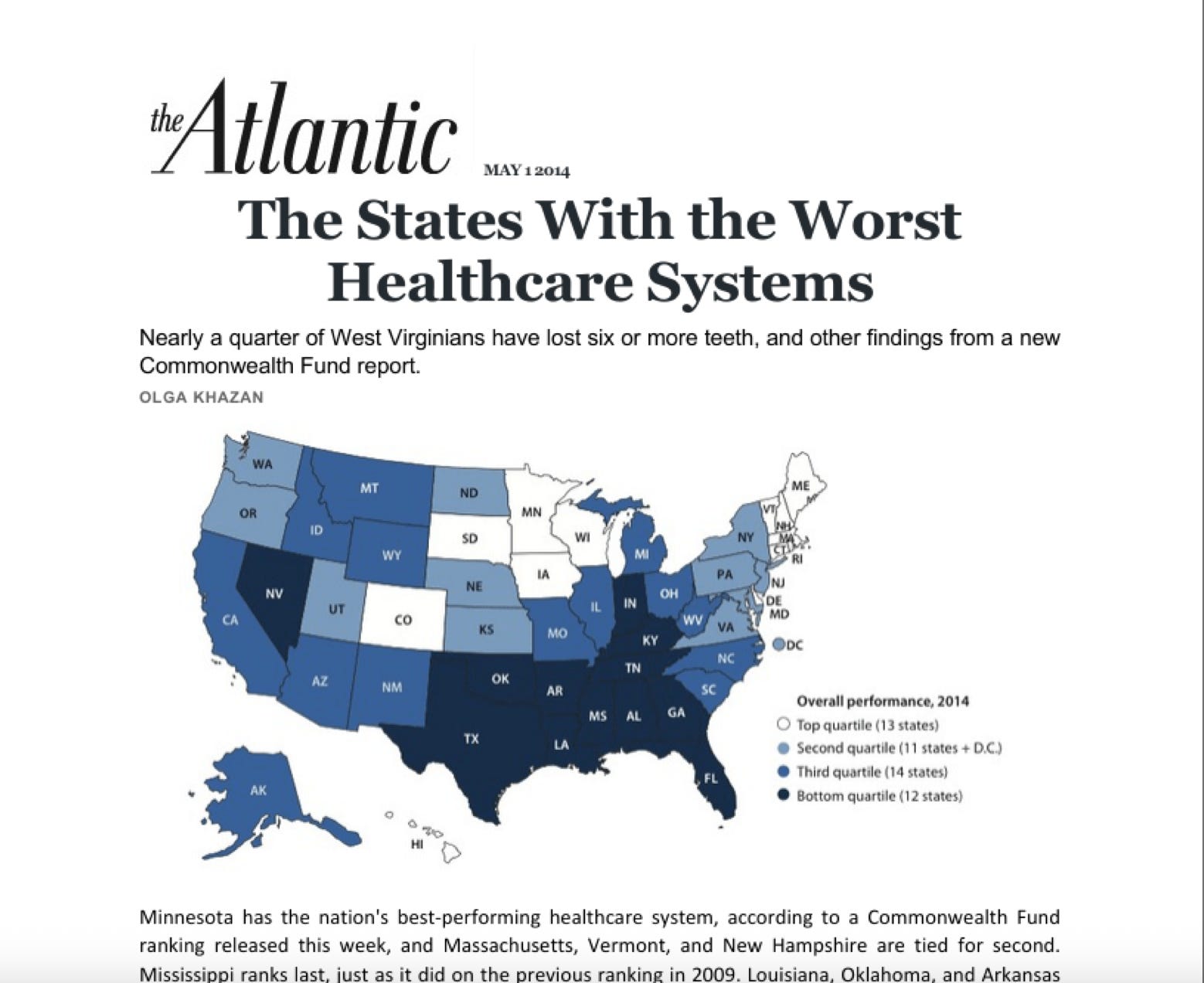
The documents reveal that Epstein was keenly focused on child poverty and sometimes portrayed himself as a champion of the poor. Epstein or his associates routinely shared emails containing PDFs of news articles or studies related to poverty, including a factsheet on U.S. child poverty by family income, a study from the journal Nature about the effects of children growing up in households with large economic burdens and a 2014 article in The Atlantic that ran under the headline “The States with the Worst Healthcare Systems.”
Like many abusers, Epstein was known for targeting vulnerable girls. One victim who was 14 when she met Epstein told the Miami Herald in 2018: “Jeffrey preyed on girls who were in a bad way, girls who were basically homeless. He went after girls who he thought no one would listen to and he was right.”
A 2023 study by the Federal Reserve Bank of St. Louis found that Mississippi has among the highest child poverty rates in the country, with the U.S. Census Bureau estimating roughly 24 percent of children under 18 living in poverty, down slightly from prior years but still well above the national average.
The Annie E. Casey Foundation likewise ranked Mississippi near the bottom of states in 2024 for child wellbeing, highlighting persistent gaps in economic well-being, health, and education that disproportionately affect children in low-income families.
Sarah Young, a survivor support specialist with the Mississippi Coalition Against Human Trafficking, reviewed the Epstein emails mentioning Mississippi.
“Doing this work for over five years working with victims, we’ve known that our area specifically has some major vulnerability particularly pertaining to poverty. We know that we’re No. 1 in the U.S.; roughly 18 percent to 20 percent of our population is below the poverty level. That’s a huge vulnerability that traffickers are looking at,” Young told The Mississippi Independent.
Young said abusers leverage anything to get access to victims, including food, shelter and even scholarships. She also noted that familial trafficking often occurs when parents or caregivers have substance addiction.
Young added: “I’m a parent of two littles so I can certainly understand sacrificing anything and everything on behalf of my child but I certainly will not sacrifice my child. Every one of us wants a better life for our child but the deplorable side of things is some parents are willing to give their children over for this terrible reason — whether [substance] use disorder or otherwise.”
Exceptional reporting. The connection between high child poverty rates and Epstein targeting Mississippi makes disturbing sense when you look at the data. The fact that he masked exploitation as philanthropy by paying tuition and airfare shows how predatory power dynamics work. My sister worked in child protection and these tactics of leveraging desperation are textbook grooming at scale.
depravity knows no bounds with the Epstein class.